Looking for a North County neighborhood that puts daily life on easy mode? Central Carmel Valley gives you quick access to shopping, parks, and major job hubs while keeping a relaxed, suburban feel. If you are weighing a move within 92130 or relocating to San Diego, choosing the right pocket can make a big difference in your routine. In this overview, you will learn about homes, lifestyle, schools, commutes, and what to expect when buying or selling here. Let’s dive in.
Central Carmel Valley at a glance
Central Carmel Valley sits around the main corridors of Carmel Valley Road, Carmel Country Road, Del Mar Heights Road, and El Camino Real. This is the established core of Carmel Valley with the most convenient access to daily services and mixed-use centers. Land use is primarily single-family neighborhoods with townhomes and condos closer to the central retail area.
You are close to everything. Sorrento Valley and the research and tech centers are to the east, La Jolla and UTC are to the south, and Torrey Pines and Del Mar beaches are to the west and northwest. That central position is a key reason many buyers target this part of 92130.
Why people choose Central Carmel Valley: you get suburban comfort with a short drive to beaches, shopping, dining, and major employment corridors.
Housing and neighborhoods
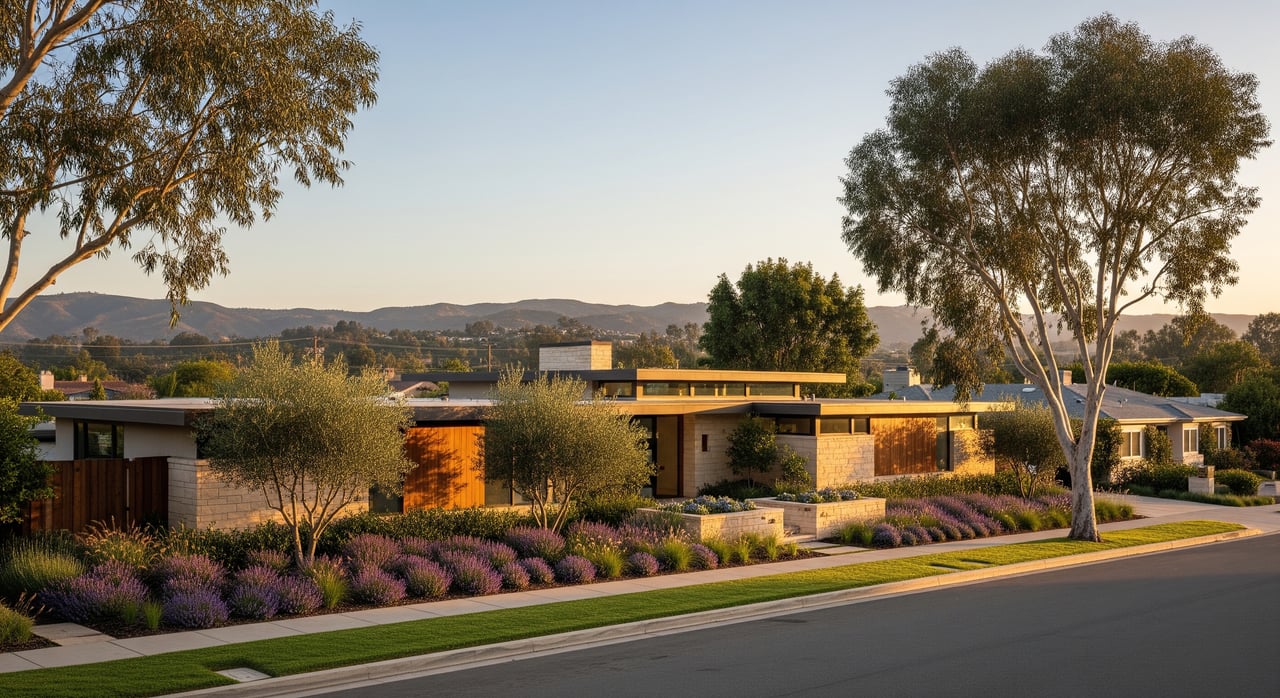
You will find a wide mix of home types, with a tilt toward single-family houses built from the 1980s through the 2000s. Many subdivisions were planned with family living in mind, offering practical floor plans and usable yards. Townhomes and condos tend to cluster near the main commercial corridors and newer mixed-use developments.
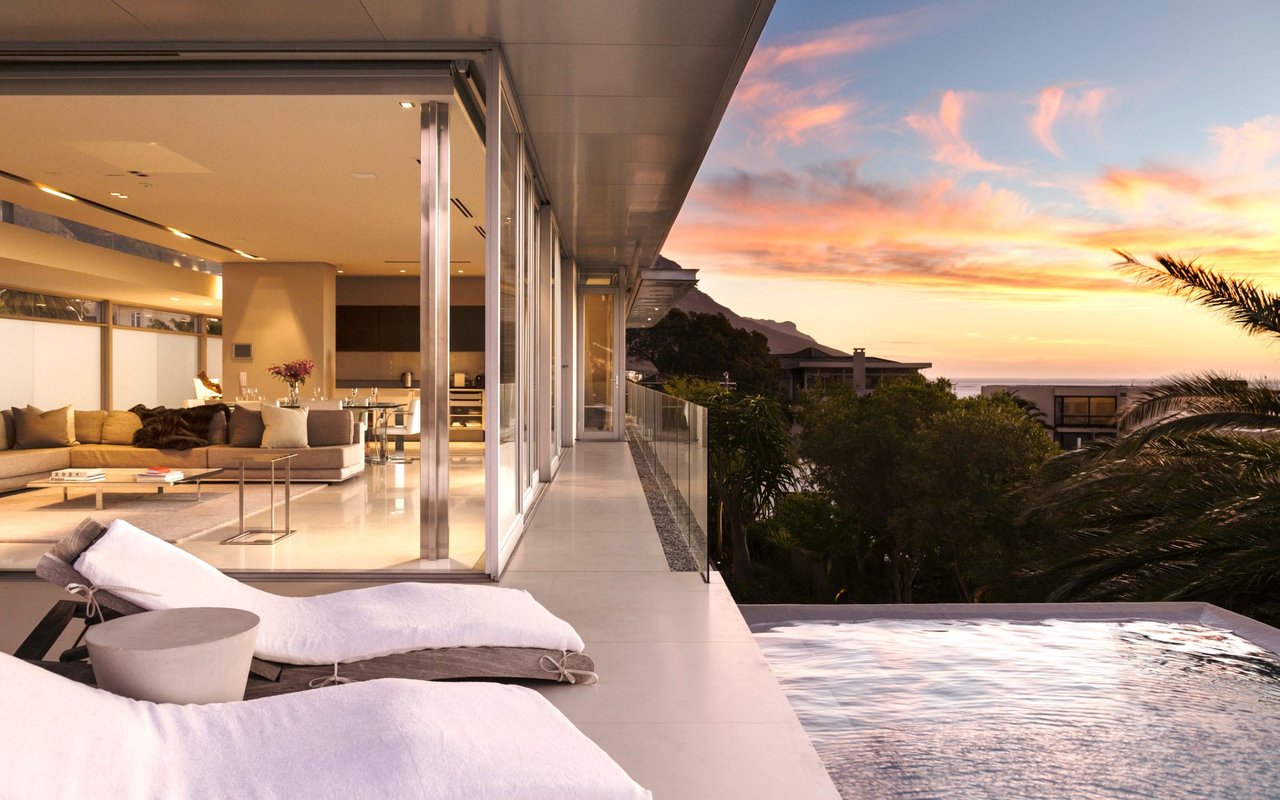
Some enclaves are gated, and there are pockets of higher-end or custom homes on larger lots. Architectural styles vary, from Mediterranean-influenced to more contemporary designs, reflecting the decades of build-out across the community.
HOAs are common. Monthly dues, amenities, and rules can differ by subdivision. Association guidelines often cover exterior changes, landscaping standards, and rental policies, so factor HOA documents into your decision timeline when you get serious about a specific property.
Convenience and amenities
Central Carmel Valley functions as the neighborhood’s retail and services hub. You have everyday shopping centers for groceries, cafes, fitness studios, salons, and professional services spread along the main roads. The newer mixed-use lifestyle center at One Paseo adds restaurants, boutiques, and offices in a walkable setting.
UTC to the south expands your options with a major regional shopping destination. In the immediate area you will also find medical and dental offices, pet care, and specialty markets. Weekend errands tend to be quick because most essentials are just a short drive.
Parks and outdoors
Parks, open space, and trail connections are a big part of the lifestyle here. Central Carmel Valley includes neighborhood parks and playgrounds, plus multi-use paths for walking and biking. Larger coastal and canyon preserves are close by, so you can pivot from work to nature without a long trip.
Torrey Pines State Natural Reserve and Torrey Pines State Beach are regional highlights within an easy drive. Los Peñasquitos Canyon offers miles of trails and a change of scenery. Youth sports, community programs, and informal meetups are common at local fields and parks, which adds to the neighborhood feel.
Schools and services
Public elementary, middle, and high schools serve the community, with boundaries that follow district feeder patterns. Families often review district resources and state assessment data to understand programs and performance. Private schools, preschools, and daycare centers are also available in and around the area, giving you a range of education options.
Family support services are easy to reach, including pediatric clinics, urgent care, and general medical providers. The central location helps you keep school pickup, activities, and appointments manageable during the week.
Commute and transportation
Road access is a strength. SR-56 connects east to I-15 and west to I-5, while local arterials like Carmel Valley Road, Carmel Country Road, and Del Mar Heights Road feed into those freeways. Many residents commute to Sorrento Valley, UTC, University City, La Jolla, and downtown San Diego.
Public transit options include regional bus service that runs through the area’s main corridors. For rail, the nearest COASTER station is in Solana Beach, which is useful for trips along the coast. Rideshare coverage is strong, and park-and-ride options support a hybrid commute.
Walkability varies by block. The mixed-use and commercial core is more pedestrian friendly, while most residential streets are car oriented. There are bikeable connections and trail links that make short trips and recreation convenient.
Safety and services
Police and fire protection are provided by City of San Diego departments. Response coverage includes the Carmel Valley area and surrounding neighborhoods. Community safety is supported by regular patrols, neighborhood watch participation, and well-maintained public spaces.
Natural hazard considerations are typical for coastal-adjacent Southern California. Fire hazard zones and floodplain designations are mapped by state and federal agencies. When you focus on a property, review disclosures and official maps as part of your due diligence.
Utilities are city managed for water, sewer, and trash in this area. High-speed internet options are widely available, which is helpful if you work from home or need robust connectivity for family use.
Zoning and outlook
Zoning in Central Carmel Valley includes single-family residential areas and pockets of multi-family near commercial nodes. CC&Rs and HOA rules often guide exterior modifications and neighborhood standards. The community is largely built out, with occasional infill or mixed-use projects in the central corridors.
The long-term outlook is steady. Proximity to job centers, coastal recreation, and a strong amenity base continue to support buyer demand. Limited supply near the coast helps preserve values over time, especially for well-located homes with thoughtful updates.
Is it a fit?
If you value convenience, a suburban setting, and quick access to beaches and job hubs, Central Carmel Valley should be on your short list. You can keep daily life efficient while enjoying parks, trails, and a friendly neighborhood feel. Whether you are a move-up buyer, a relocating professional, or someone seeking a lock-and-leave condo near amenities, the central pocket checks a lot of boxes.
How we help
Buying or selling in Central Carmel Valley benefits from hyperlocal knowledge. You want clear guidance on floor plans, HOAs, micro-locations, and pricing dynamics that can vary block by block. Our family-run approach means you work directly with a team that knows the subdivisions, prepares listings to shine, and negotiates with discipline.
For buyers, we streamline the search with neighborhood tours, on-the-ground insights, and data-backed pricing counsel. For sellers, we handle staging, professional photography, drone and 3D tours, and targeted digital marketing to capture attention quickly. The result is speed to market and confident decisions at every step.
Ready to explore Central Carmel Valley with a local guide? Connect with the Moore Realty Group to start a focused plan for your move.
FAQs
What and where is Central Carmel Valley?
- It is the established core of Carmel Valley around Carmel Valley Road, Carmel Country Road, Del Mar Heights Road, and El Camino Real, with quick access to beaches, shopping, and job centers.
What home types are most common?
- Mostly single-family homes from the 1980s to 2000s, plus townhomes and condos closer to the central commercial and mixed-use corridors.
How are commutes from Central Carmel Valley?
- You have direct access to SR-56 and I-5, with many residents commuting to Sorrento Valley, UTC, University City, La Jolla, and downtown; regional bus service and the COASTER at Solana Beach support transit options.
Are there HOAs in this area?
- Yes, many subdivisions have HOAs that set community standards and may include amenities; fees, rules, and rental policies vary by neighborhood.
What schools serve the neighborhood?
- Public elementary, middle, and high schools serve the area through defined district boundaries, with nearby private, preschool, and daycare options providing additional choices.
Where do residents shop and dine?
- Daily needs are met at neighborhood centers along the main corridors, and One Paseo adds a walkable mix of restaurants, shops, and offices; UTC expands options a short drive away.
What outdoor recreation is nearby?
- You will find local parks and paths in the neighborhood and quick access to Torrey Pines State Natural Reserve, Torrey Pines State Beach, and Los Peñasquitos Canyon for hiking and biking.
Are there environmental risks to consider?
- As with much of coastal-adjacent Southern California, properties can be subject to mapped wildfire and flood zones, so plan to review disclosures and official hazard maps during due diligence.