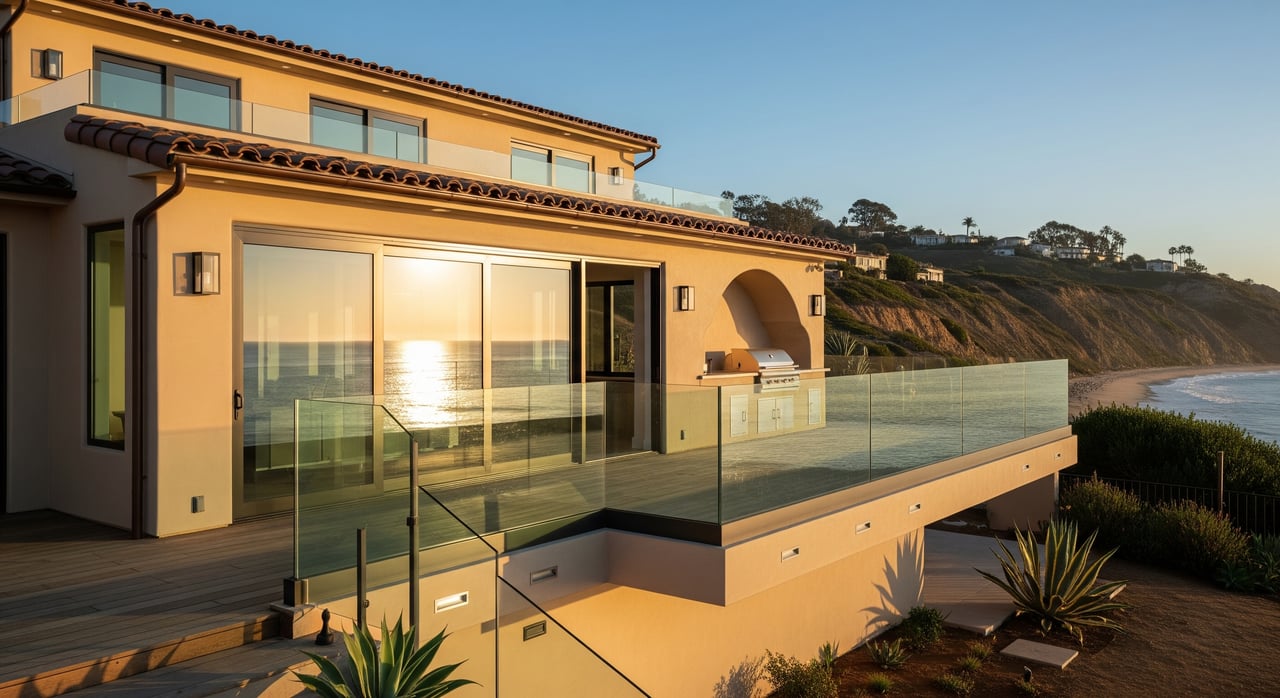
Thinking about opening up your floor plan, adding a second story, or refreshing your curb appeal in Del Mar? In the coastal zone, even a simple exterior change can trigger a Coastal Development Permit. You want to do it right the first time, avoid surprises, and keep your project moving.
This guide explains when a CDP is required, what the City of Del Mar looks for, how long reviews typically take, and practical steps to streamline approval. You will walk away with a clear checklist and realistic expectations. Let’s dive in.
What a CDP is in Del Mar
A Coastal Development Permit is the discretionary approval used to regulate development in California’s coastal zone. In Del Mar, the City issues CDPs under its certified Local Coastal Program, while the California Coastal Commission retains appeal authority and handles some specialized projects.
Your project must align with Del Mar’s LCP standards and municipal codes. You will still need separate building or grading permits after the CDP. For projects near bluffs, shorelines, or sensitive habitats, expect additional technical studies and possible coordination with regional agencies.
When your remodel needs a CDP
Most exterior work that expands, reconfigures, or intensifies use will require a CDP. Common triggers include:
- New dwelling units or additions that increase habitable floor area or change the footprint.
- Substantial exterior remodels that alter the envelope, height, roofline, or massing.
- Additions that affect setbacks, lot coverage, parking, or grading beyond ministerial allowances.
- Retaining walls, significant grading, or site recontouring, especially near coastal bluffs.
- Shoreline protection proposals such as seawalls or revetments.
- Changes that could affect public access, view corridors, or coastal resources.
- Demolition followed by reconstruction that changes use, scale, or footprint.
Common exemptions
Some work is often exempt or ministerial, but always confirm with Del Mar Planning before you assume:
- Routine maintenance and repairs that do not change the footprint, intensity of use, or affect coastal resources.
- Interior-only remodels with no exterior changes and no effects on parking or egress.
- Exact exemption scope depends on Del Mar’s LCP and local interpretation.
Key issues reviewers check
Understanding review priorities helps you shape a smoother design:
- Coastal bluff setbacks and stability. Near-bluff projects typically need geotechnical analysis and strict setbacks.
- Public access and views. Proposals must preserve established access points and view corridors.
- Lot coverage, impervious area, and drainage. Low-impact development and on-site runoff control are common requirements.
- Sensitive habitat and vegetation. Biological review may be needed if native habitat could be affected.
- Height, massing, and neighborhood character. Keep additions compatible with scenic resource protection.
How to apply: documents you need
Plan to assemble a complete, well-labeled package. Typical CDP application contents include:
- Completed City of Del Mar CDP application form.
- Plans: site plan, floor plans, elevations, roof plan, and sections with dimensions, setbacks, and proposed materials.
- Project description that compares existing and proposed conditions and explains the rationale.
- Geotechnical report for bluff-adjacent, hillside, or foundation and retaining wall work.
- Drainage and stormwater control plan with construction and post-construction BMPs.
- Landscape plan with plant palette and removal or mitigation details.
- Biological resources report if near environmentally sensitive habitat.
- Historical or archaeological assessment if applicable.
- Photos and neighborhood context images.
- CEQA checklist or environmental analysis, if required.
- Fees, deposits, and mailing labels for neighborhood notices.
Review steps and typical timeline
Here is the usual path from idea to approval:
- Pre-application consultation with Del Mar Planning staff.
- Submit the CDP application and fees. The City checks for completeness.
- Staff review for LCP compliance and referrals to other departments.
- Environmental review under CEQA, if needed.
- Public notice and hearing scheduling, when required.
- Decision with conditions of approval.
- Appeal window. Some projects can be appealed locally or to the Coastal Commission.
- After CDP approval, apply for building or grading permits and clear conditions.
How long it takes:
- Minor or exempt work: weeks to a few months.
- Typical discretionary additions and exterior remodels: about 3 to 6 months, assuming a complete submittal and no major CEQA work.
- Complex bluff, shoreline, or multi-study projects: 6 to 12 months or more.
- Appeals or Coastal Commission jurisdiction: add several months to a year.
Common causes of delay include incomplete applications, late technical reports, neighborhood opposition that triggers redesign, CEQA documents, and appeals.
Fees and costs to plan for
Expect application fees and refundable planning deposits that scale with project complexity. Technical reports such as geotechnical or biological studies add cost. If the project goes to appeal, there may be separate procedures and costs. Always confirm the current fee schedule with the City and factor contingencies into your budget.
Design moves that speed approval
Aligning your design with the LCP from the start reduces revisions and risk:
- Respect bluff setbacks and avoid pushing the footprint toward the bluff.
- Keep height and massing compatible with nearby structures.
- Reduce impervious surface and incorporate permeable paving and on-site retention.
- Use native, drought-tolerant landscaping and minimize removal of native vegetation.
- Avoid proposing new shoreline armoring unless absolutely necessary.
- Offer clear mitigation for unavoidable impacts, such as landscape replacement or erosion control.
Prepare before you file
A little front-end organization goes a long way:
- Meet with Del Mar Planning staff early to confirm standards and studies.
- Hire an architect or designer who knows Del Mar’s LCP.
- Commission required technical studies upfront, especially geotechnical near bluffs.
- Build a clear narrative that maps your design to LCP policies.
- Budget for deposits, review time, and potential revisions.
- Engage neighbors early to understand and address concerns before hearings.
Sensitive sites: bluffs and shorelines
If your property is near a bluff or the shoreline, expect a higher bar of analysis and mitigation:
- Provide long-term geotechnical conclusions, including life-of-structure stability and bluff retreat rates.
- Demonstrate designs that do not rely on future armoring where feasible.
- Preserve public access and public views, or offer mitigation when impacts are unavoidable.
- Use shielded, downward-directed lighting to limit glare and light spill.
Practical scenarios
Not every remodel needs a CDP, but most significant exterior changes do. A kitchen refresh that keeps everything inside is often exempt. A second story, expanded footprint, or new retaining wall almost always triggers a CDP. Near-bluff projects will need geotechnical work and may take longer due to setback and stability reviews. When in doubt, ask Del Mar Planning to confirm your path before you design too far.
Work with a local guide
Planning a remodel alongside a sale or purchase in Del Mar requires careful timing. You want to invest in the right improvements, manage review windows, and bring your property to market at the optimal moment. For neighborhood-level guidance on which updates add value and how to align your remodel with a future sale, reach out to the family team at Moore Realty Group. We can help you plan a smart path to maximize results.
FAQs
Do I need a CDP for my Del Mar remodel?
- You likely do if you change the exterior, footprint, height, roofline, setbacks, parking, grading, or coastal resources; interior-only work may be exempt.
How long does a Del Mar CDP take?
- Typical discretionary reviews take about 3 to 6 months; complex bluff or shoreline projects or appeals can run 6 to 12 months or more.
Who approves CDPs in Del Mar?
- The City of Del Mar issues CDPs under its Local Coastal Program, and the California Coastal Commission has appeal authority and handles certain projects.
Are interior remodels exempt from a CDP?
- Interior-only work that does not affect exterior appearance, parking, or coastal resources is often exempt, but confirm with Del Mar Planning.
What if my project is near a coastal bluff?
- Expect geotechnical analysis, strict setbacks, and a higher level of review to ensure long-term stability and resource protection.
When does the Coastal Commission get involved?
- If a project is appealed, is in Commission jurisdiction, or involves certain shoreline protection, the Commission may review it and extend the timeline.
What should my application include?
- A complete set of plans, a clear project description, required technical reports, environmental documentation if needed, fees, and public notice materials.
How can I reduce review delays?
- Start with a pre-application meeting, hire local experts, submit complete reports early, keep designs within LCP standards, and engage neighbors ahead of time.