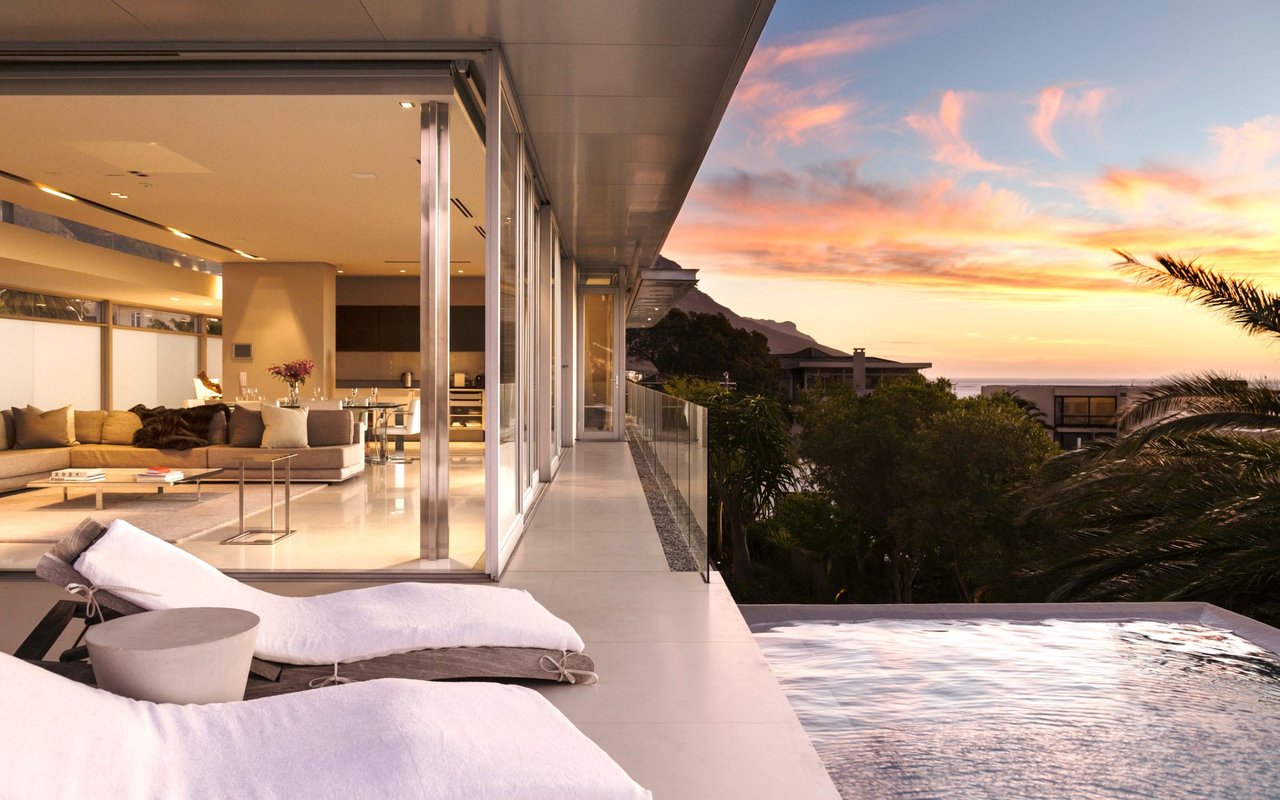
If you are looking for luxury in Carmel Valley, Del Mar Mesa can feel like a different world. Instead of a more typical suburban pattern, you will find larger parcels, preserved open space, and a quieter semi-rural setting that draws buyers who want room to breathe. If you are wondering whether that lifestyle fits the way you want to live, this guide will help you understand the tradeoffs, the housing style, and the practical details that matter before you buy. Let’s dive in.
Why Del Mar Mesa Feels Different
Del Mar Mesa is an official City of San Diego community planning area east of Carmel Valley and north of Los Peñasquitos Canyon. The city describes it as a semi-rural community with large homes, a golf course, a resort hotel, and parts of the area where horse ranching still takes place. That mix gives the neighborhood a more open, estate-oriented feel than many nearby luxury communities.
A big reason is the land itself. The specific plan shows about 1,270.4 acres of resource-based open space out of 2,042 total acres, which is roughly 62% of the plan area. Estate residential land accounts for about 563 acres, or about 28%, so the overall layout is shaped more by preserved habitat and open land than by dense residential build-out.
That matters when you compare Del Mar Mesa with surrounding neighborhoods. Nearby planned communities are described as more suburban, with retail, offices, schools, and public facilities. Del Mar Mesa stands apart because it was planned to feel less commercially intense and more connected to the natural landscape.
What Luxury Looks Like Here
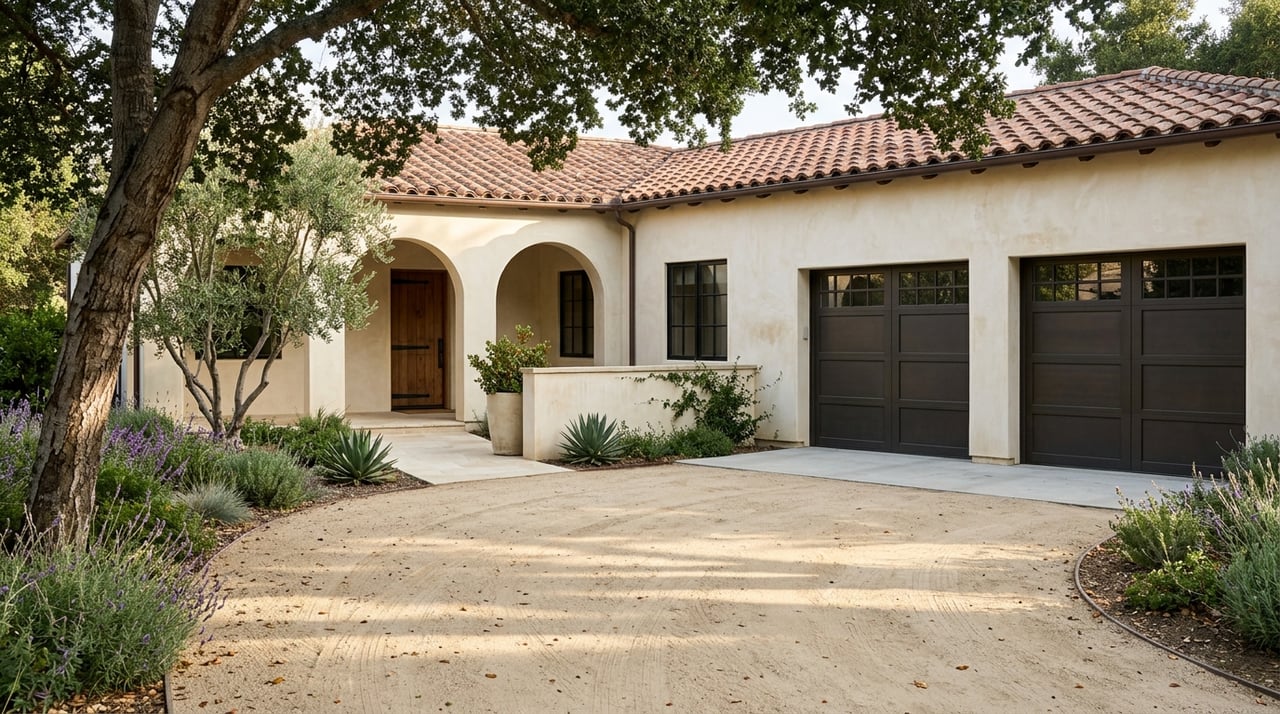
In Del Mar Mesa, the core housing product is large-lot single-family homes. The community plan points to estate living rather than a standard tract-home pattern, and the area includes a small number of signature residential pockets instead of broad subdivision scale. The city also highlights The Preserve, a central development of just 32 homes, which reinforces the area’s sense of scarcity.
The specific plan sets a minimum lot size of 0.50 acre in the community design section. It also calls for 25-foot front and rear setbacks, 15-foot side setbacks, and lot coverage limits of 30% for two-story homes and 40% for one-story homes. For you as a buyer, those standards support a more spacious layout and a lower-density streetscape.
Not every parcel follows the same pattern. Some areas are limited to one dwelling unit per ten acres, some AR-1-2 areas can develop at up to one dwelling unit per acre, and estate residential areas are planned at about one dwelling unit per 2.5 acres. That range helps explain why Del Mar Mesa can offer both edge-of-preserve seclusion and a cohesive neighborhood feel without becoming a typical suburban grid.
Expect Homes Designed Around the Land
One of the most important things to know is that Del Mar Mesa was planned to adapt to its topography. The specific plan says lot configuration and site design should respond to canyons, hillsides, and ridges, while avoiding standard lot sizes and shapes. It also aims to minimize major cut and fill.
In practical terms, that means you should expect more irregular parcels and more view-sensitive home placement. Many homes here feel like they belong to the land rather than sitting on a standardized pad. If you value a custom or semi-custom estate feel, that can be a major advantage.
It also means two homes with similar square footage may live very differently. Driveway approach, usable yard area, slope, and how the house sits on the lot can all affect day-to-day enjoyment. In Del Mar Mesa, parcel-level differences matter more than they do in a more uniform luxury tract.
Privacy in a Preserve Setting
Privacy is one of the biggest reasons buyers look at Del Mar Mesa, but it helps to understand what privacy means here. In this community, privacy often comes from space, terrain, and open surroundings rather than from walls and tightly controlled streetscapes. That creates a softer, more natural kind of separation.
At the same time, Del Mar Mesa is known for equestrian, hiking, and biking trails. The city’s trail system is designed to include horseback riding, hiking, and bicycling, and it links to adjacent communities. If your property backs or sits near open space, you may enjoy beautiful scenery and a sense of calm, but that edge is managed public open space, not always a fully private buffer.
Fencing rules also shape the experience. The specific plan generally discourages solid walls or fences in front or street-side yards unless needed for safety, prefers open fencing where fencing is necessary, and does not allow gates that block access to open space and trails. So if you want a sealed-off estate feel, Del Mar Mesa may not deliver that in the same way as a more enclosed gated community.
Trails, Open Space, and Daily Lifestyle
For many buyers, the trail network is a major draw. Del Mar Mesa’s preserve trail system supports horseback riding, hiking, and bicycling, which adds real lifestyle value if you want easy access to outdoor recreation. The area’s chaparral setting and open-space connections are part of what make it feel so distinct.
There are also rules that help protect that environment. City open-space regulations require visitors to stay on designated trails, prohibit overnight camping and open fires, and close open-space parklands from sunset to sunrise. Those rules support a quieter atmosphere, while still making the landscape an active part of everyday life.
Another part of the experience is the night-time character. The plan says standard street lighting is generally not provided except where needed for safety, and lighting should preserve the rural setting and dark night skies. If you enjoy a more serene, less urban evening environment, that can be a real plus.
The Tradeoff With Nearby Carmel Valley
Del Mar Mesa is not trying to be the same as a more conventional Carmel Valley luxury neighborhood. Its appeal is tied to low density, open space, and estate-style living. You are choosing a setting that leans more serene and rural, and less toward a standard suburban amenity package.
That tradeoff is important. In nearby neighborhoods, you may find a more typical mix of retail, public facilities, and suburban street design. In Del Mar Mesa, the planning emphasis is different, with fewer urban-style improvements such as standard curbs, gutters, sidewalks, and streetlights.
For some buyers, that is exactly the point. If you want space, scenery, and a more private day-to-day feel, Del Mar Mesa can be a strong fit. If you want a more convenience-driven layout, you should weigh that carefully before making a decision.
Ownership Costs and Upkeep
Semi-rural luxury often comes with more hands-on property care. In Del Mar Mesa, larger lots and proximity to open space can mean more ongoing maintenance than you would expect with a standard tract home. That includes landscaping, brush clearance, and broader parcel upkeep.
The specific plan requires brush management consistent with citywide regulations, limits grading, and calls for native re-vegetation where land is disturbed. The City of San Diego also requires property owners in Very High Fire Severity Zones to create and maintain defensible space around structures. As of February 28, 2026, new structures in those zones must follow Zone 0 guidelines, and existing owners must comply by February 28, 2027.
That means fire compliance should be part of your budget conversation from the start. It is not just about the home purchase price. It is also about the ongoing cost and effort of maintaining a semi-rural property responsibly.
Due Diligence Matters More Here
Because Del Mar Mesa is shaped by preserved habitat and specific land-use rules, due diligence matters at a high level. Before you buy, it is smart to verify parcel-level details such as trail easements, fencing allowances, brush-management responsibilities, and any homeowners association rules that may apply. These details can affect both your privacy and your maintenance responsibilities.
The city’s defensible-space guidance also notes that private properties within or adjacent to open-space and Multiple Habitat Planning Area land are subject to regulations intended to protect sensitive plants and animals. That can make ownership more nuanced than it would be in a more conventional neighborhood. It does not mean the area is less appealing, but it does mean details matter.
This is also a market where walking a lot in person is important. Site shape, slope, open-space adjacency, and access can all change how a property lives. In Del Mar Mesa, those on-the-ground differences are often just as important as the listing photos.
Access and Everyday Practicality
Del Mar Mesa’s design is more drive-oriented than walkable in the suburban sense. Because the area sits east of Carmel Valley and follows a more rural street pattern, your daily access may feel different from nearby neighborhoods with a denser commercial and residential network. That is not a flaw, but it is part of the lifestyle choice.
If you are seriously considering a purchase here, test your own peak-hour drives. Try the routes you would use most often rather than relying only on map estimates. A home can look perfect on paper, but your day-to-day experience will depend in part on how the location fits your routine.
Current Market Snapshot
Current market snapshots place Del Mar Mesa squarely in the luxury tier. Realtor.com currently shows 25 for-sale properties, a median listing price of $2.80 million, a median price per square foot of $888, and a sale-to-list ratio of 98%. Redfin reports a median sale price of $2.8 million last month, down 7.7% year over year.
What does that suggest for you as a buyer? Inventory remains limited, and pricing is still firmly in the high-end range, though portal data points to some modest softening from last year. In a small, distinctive market like Del Mar Mesa, property-specific factors can move value quickly, so local interpretation matters.
Who Del Mar Mesa Fits Best
Del Mar Mesa tends to fit buyers who value space, scenery, and a more estate-like lifestyle. If you want large parcels, preserved open space, and homes that feel set apart from a standard suburban pattern, this community offers a compelling option within the broader Carmel Valley area.
It may be less ideal if your top priority is a more standardized luxury neighborhood with simpler lot maintenance and a stronger urban-suburban convenience mix. The appeal here is not about being everything to everyone. It is about offering a very specific version of luxury that feels calm, low-density, and land-driven.
Buying in Del Mar Mesa is really about understanding the tradeoff clearly. You gain openness, character, and scarcity, but you also take on more maintenance, more planning-related constraints, and a lifestyle that is intentionally less suburban. If that sounds like what you want, working with a team that knows Carmel Valley micro-markets can help you judge which properties truly fit your goals.
If you are considering a move in Del Mar Mesa or comparing it with other Carmel Valley luxury options, Moore Realty Group can help you evaluate lot quality, lifestyle fit, and market positioning with clear, local guidance.
FAQs
What makes Del Mar Mesa different from other Carmel Valley luxury neighborhoods?
- Del Mar Mesa is planned as a semi-rural, low-density community with a large share of preserved open space, larger lots, and fewer standard suburban features than many nearby neighborhoods.
How private are Del Mar Mesa homes near preserve land?
- Privacy often comes from lot size, topography, and open surroundings, but nearby trails and fencing rules mean preserve-adjacent lots may feel more open than a fully enclosed estate property.
What kind of homes should you expect in Del Mar Mesa?
- The area is centered on large-lot single-family homes, with planning standards that support estate-style living, custom site design, and more varied parcel shapes.
What upkeep should buyers expect with a Del Mar Mesa property?
- Buyers should plan for landscaping, brush management, defensible space compliance, and more ongoing parcel maintenance than a typical tract-style luxury home may require.
Is Del Mar Mesa a walkable luxury neighborhood?
- Del Mar Mesa is better understood as a drive-oriented community, with a rural street pattern and fewer urban-style improvements such as standard sidewalks and streetlights.
What is the current Del Mar Mesa market like for buyers?
- Current portal snapshots show a low-inventory luxury market, with about 25 homes for sale, a median listing price of $2.80 million, and a median sale price around $2.8 million, with some modest year-over-year softening reported.